Buy guertelrose.eu ?
We are moving the project
guertelrose.eu .
Are you interested in purchasing the domain
guertelrose.eu ?
domain@kv-gmbh.de · 0541-91531010
Buy guertelrose.eu ?
Is allosteric inhibition the same as non-competitive inhibition?
Allosteric inhibition and non-competitive inhibition are not the same, although they are related. Non-competitive inhibition refers to the binding of an inhibitor to a site on the enzyme that is not the active site, thereby preventing the substrate from binding to the active site. Allosteric inhibition, on the other hand, occurs when an inhibitor binds to a site on the enzyme that is distinct from the active site, causing a conformational change in the enzyme that reduces its activity. While both types of inhibition involve the binding of an inhibitor to a site other than the active site, allosteric inhibition specifically involves a change in the enzyme's shape and activity. **
What type of inhibition occurs through allosteric activation/inhibition?
Allosteric inhibition occurs when a molecule binds to an allosteric site on an enzyme, causing a conformational change that reduces the enzyme's activity. This type of inhibition is non-competitive, meaning it does not compete with the substrate for the active site. Allosteric activation, on the other hand, occurs when a molecule binds to an allosteric site and enhances the enzyme's activity. Both allosteric inhibition and activation involve the binding of a regulatory molecule to a site other than the active site of the enzyme, leading to a change in the enzyme's activity. **

Similar search terms for Inhibition
Top-Angebote
Products related to Inhibition:
-
Ammo Urinary Tract Infection Self-Diagnostic Test 2 un.A skin-care product. It a convenient self-diagnostic test designed to detect four key parameters in urine: blood, nitrites, proteins, and leukocytes. This easy-to-use test allows individuals to confirm a urinary tract infection (UTI) from the comfort of their home, ensuring timely medical consultation for appropriate treatment.7,70 £*Shipping: 4,12 £Secure redirect to the provider
-
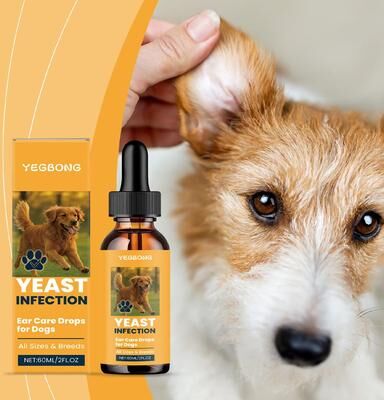
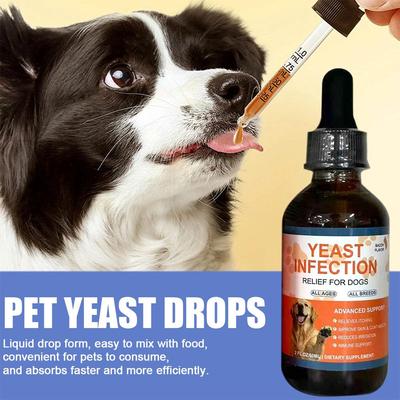
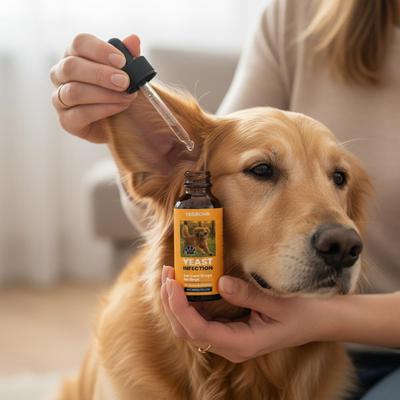
Happy Pet Pantry Natural Dog & Cat Yeast Infection Drops Herbal Gut & Immune Support Supplement Natural Dog & Cat Yeast Infection Drops Herbal Gut & Immune Support SupplementWhen pets struggle with itching, odor, or digestive imbalance, daily comfort can quickly decline. This gentle herbal liquid supplement is designed for dogs and cats experiencing yeastrelated discomfort and digestive imbalance. For pet owners seeking...34,97 $*Shipping: 0,00 $Secure redirect to the provider
-
Happy Pet Pantry Dog Ear Cleaner Drops 60ml Pet Ear Infection Relief & Odor Care Solution Dog Ear Cleaner Drops 60ml Pet Ear Infection Relief & Odor Care SolutionEar discomfort, odor, and constant scratching can quickly affect your pets happiness and health. These Dog Ear Cleaner Drops are designed to gently cleanse and support relief from irritation and buildup in both dogs and cats. Formulated as an...31,97 $*Shipping: 0,00 $Secure redirect to the provider
-
Barral Íntima Prevention 200mLA skin-care product. Intimate Prevention is suitable for daily intimate hygiene, ideal in cases of recurrent infections. Its formula has a pH 4.5 and lactic acid, respecting the physiological balance of the woman. It contains prebiotics that help strengthen natural defenses, neutralizing the causes of possible discomfort, infections and unpleasant odor.8,64 £*Shipping: 6,94 £Secure redirect to the provider


-
What is the difference between competitive inhibition and allosteric inhibition?
Competitive inhibition occurs when a molecule competes with the substrate for the active site of an enzyme, effectively blocking the substrate from binding and inhibiting the enzyme's activity. In contrast, allosteric inhibition occurs when a molecule binds to a site on the enzyme other than the active site, causing a conformational change that reduces the enzyme's activity. While competitive inhibition directly competes with the substrate for the active site, allosteric inhibition involves binding to a different site on the enzyme to regulate its activity. **
-
Is allosteric inhibition irreversible?
Allosteric inhibition is typically reversible, meaning that the inhibitor can bind to the allosteric site and block the activity of the enzyme, but can also dissociate from the site, allowing the enzyme to regain its activity. This is in contrast to irreversible inhibition, where the inhibitor forms a covalent bond with the enzyme, permanently inactivating it. **
-
Non-competitive inhibition, right?
Non-competitive inhibition is a type of enzyme inhibition where the inhibitor binds to a site on the enzyme that is not the active site. This binding causes a conformational change in the enzyme, making it less effective at catalyzing the reaction. Non-competitive inhibitors do not compete with the substrate for binding to the enzyme. Instead, they can bind to the enzyme-substrate complex or to a separate allosteric site on the enzyme. **
-
What is allosteric inhibition?
Allosteric inhibition is a type of enzyme regulation where a molecule binds to a site on the enzyme that is different from the active site, causing a conformational change in the enzyme's structure. This change reduces the enzyme's activity and ability to bind to its substrate, ultimately inhibiting its function. Allosteric inhibition is a reversible process and can be used to regulate enzyme activity in response to changing cellular conditions. **

What is the difference between allosteric inhibition and competitive inhibition in biology?
Allosteric inhibition occurs when a molecule binds to an allosteric site on an enzyme, causing a conformational change that reduces the enzyme's activity. This type of inhibition is non-competitive and can affect multiple enzymes in a metabolic pathway. On the other hand, competitive inhibition occurs when a molecule competes with the substrate for the active site of the enzyme, effectively blocking the substrate from binding and reducing the enzyme's activity. Competitive inhibition can be overcome by increasing the concentration of the substrate, while allosteric inhibition cannot be overcome in the same way. **
What is the difference between non-competitive inhibition and allosteric inhibition in biochemistry?
Non-competitive inhibition occurs when an inhibitor binds to an enzyme at a site other than the active site, causing a conformational change in the enzyme that reduces its activity. This type of inhibition does not compete with the substrate for binding to the active site. On the other hand, allosteric inhibition occurs when an inhibitor binds to an allosteric site on the enzyme, causing a conformational change that reduces the enzyme's activity. Allosteric inhibition can be reversible or irreversible, and it can be overcome by increasing the concentration of the substrate. **
Top-Angebote
Products related to Inhibition:
-
Happy Pet Pantry Dog Ear Infection Treatment Drops Gentle Dog Ear Cleaner For Itch & Odor Relief Dog Ear Infection Treatment Drops Gentle Dog Ear Cleaner For Itch & Odor ReliefEar discomfort can quickly turn your dogs playful energy into constant scratching and stress. These gentle ear care drops are designed to help cleanse, soothe, and support healthier ears for dogs prone to irritation, odor, or buildup. Ideal for pet...29,97 $*Shipping: 0,00 $Secure redirect to the provider
-
Infection Free Zone Steam CD KeySOCIETY HAS COLLAPSED “The Mad Virus” has spread throughout the world with the speed of jet planes. The infected are highly aggressive, fast and strong. In a couple of weeks, society collapsed. Cities are empty. There is no electricity, no water, and no food. Yet, there are a few survivors... PLAY ON ANY CITYType in the name of the city or town, download the map and start playing! Thanks to OpenStreetMap’s real-world data you can choose any place in the world for your survivors. REBUILDEstablish a new “Infection Free Zone” wherever you choose. Set up shelters and production facilities. Adapt existing buildings to new needs. Build new farms and power houses. Establish defenses with walls, gates, and towers. SCAVENGEUtilize your knowledge of the city. What is the best place to defend? Where were the grocery stores, where were the pharmacies? Where would you look for weapons? Remember that it’s dangerous to search the old buildings, there might be some infected lurking in the dark! FIGHT THE INFECTEDEach night your settlement might be attacked by large hordes of the infected. Fight them off with every tool available - melee and ranged weapons, vehicles, walls and light. Research a vaccine or a cure for ultimate victory, or just enjoy rebuilding entire cities! FIGHT THE LIVINGYour Zone is not the only one that exists. Your survivors will surely find other surviving groups. Some will be friendly and willing to trade, but others will be extremely hostile. There might be some fighting involved! DEFEND THE ZONE20,45 £*Shipping: 0,00 £Secure redirect to the provider
-
Ammo Urinary Tract Infection Self-Diagnostic Test 2 un.A skin-care product. It a convenient self-diagnostic test designed to detect four key parameters in urine: blood, nitrites, proteins, and leukocytes. This easy-to-use test allows individuals to confirm a urinary tract infection (UTI) from the comfort of their home, ensuring timely medical consultation for appropriate treatment.7,70 £*Shipping: 4,12 £Secure redirect to the provider
-
Happy Pet Pantry Natural Dog & Cat Yeast Infection Drops Herbal Gut & Immune Support Supplement Natural Dog & Cat Yeast Infection Drops Herbal Gut & Immune Support SupplementWhen pets struggle with itching, odor, or digestive imbalance, daily comfort can quickly decline. This gentle herbal liquid supplement is designed for dogs and cats experiencing yeastrelated discomfort and digestive imbalance. For pet owners seeking...34,97 $*Shipping: 0,00 $Secure redirect to the provider
-
Is allosteric inhibition the same as non-competitive inhibition?
Allosteric inhibition and non-competitive inhibition are not the same, although they are related. Non-competitive inhibition refers to the binding of an inhibitor to a site on the enzyme that is not the active site, thereby preventing the substrate from binding to the active site. Allosteric inhibition, on the other hand, occurs when an inhibitor binds to a site on the enzyme that is distinct from the active site, causing a conformational change in the enzyme that reduces its activity. While both types of inhibition involve the binding of an inhibitor to a site other than the active site, allosteric inhibition specifically involves a change in the enzyme's shape and activity. **
-
What type of inhibition occurs through allosteric activation/inhibition?
Allosteric inhibition occurs when a molecule binds to an allosteric site on an enzyme, causing a conformational change that reduces the enzyme's activity. This type of inhibition is non-competitive, meaning it does not compete with the substrate for the active site. Allosteric activation, on the other hand, occurs when a molecule binds to an allosteric site and enhances the enzyme's activity. Both allosteric inhibition and activation involve the binding of a regulatory molecule to a site other than the active site of the enzyme, leading to a change in the enzyme's activity. **
-
What is the difference between competitive inhibition and allosteric inhibition?
Competitive inhibition occurs when a molecule competes with the substrate for the active site of an enzyme, effectively blocking the substrate from binding and inhibiting the enzyme's activity. In contrast, allosteric inhibition occurs when a molecule binds to a site on the enzyme other than the active site, causing a conformational change that reduces the enzyme's activity. While competitive inhibition directly competes with the substrate for the active site, allosteric inhibition involves binding to a different site on the enzyme to regulate its activity. **
-
Is allosteric inhibition irreversible?
Allosteric inhibition is typically reversible, meaning that the inhibitor can bind to the allosteric site and block the activity of the enzyme, but can also dissociate from the site, allowing the enzyme to regain its activity. This is in contrast to irreversible inhibition, where the inhibitor forms a covalent bond with the enzyme, permanently inactivating it. **
Similar search terms for Inhibition
-
Happy Pet Pantry Dog Ear Cleaner Drops 60ml Pet Ear Infection Relief & Odor Care Solution Dog Ear Cleaner Drops 60ml Pet Ear Infection Relief & Odor Care SolutionEar discomfort, odor, and constant scratching can quickly affect your pets happiness and health. These Dog Ear Cleaner Drops are designed to gently cleanse and support relief from irritation and buildup in both dogs and cats. Formulated as an...31,97 $*Shipping: 0,00 $Secure redirect to the provider
-
Barral Íntima Prevention 200mLA skin-care product. Intimate Prevention is suitable for daily intimate hygiene, ideal in cases of recurrent infections. Its formula has a pH 4.5 and lactic acid, respecting the physiological balance of the woman. It contains prebiotics that help strengthen natural defenses, neutralizing the causes of possible discomfort, infections and unpleasant odor.8,64 £*Shipping: 6,94 £Secure redirect to the provider
-
Happy Pet Pantry Pet Ear Cleaning Drops For Dogs & Cats Ear Wax Remover & Ear Infection Care Solution Pet Ear Cleaning Drops For Dogs & Cats Ear Wax Remover & Ear Infection Care SolutionKeeping your pets ears clean and healthy is essential for their comfort and longterm wellbeing. These gentle ear cleaning drops are designed to help remove buildup, reduce irritation, and support overall ear hygiene for both dogs and cats. Ideal for...31,97 $*Shipping: 0,00 $Secure redirect to the provider
-
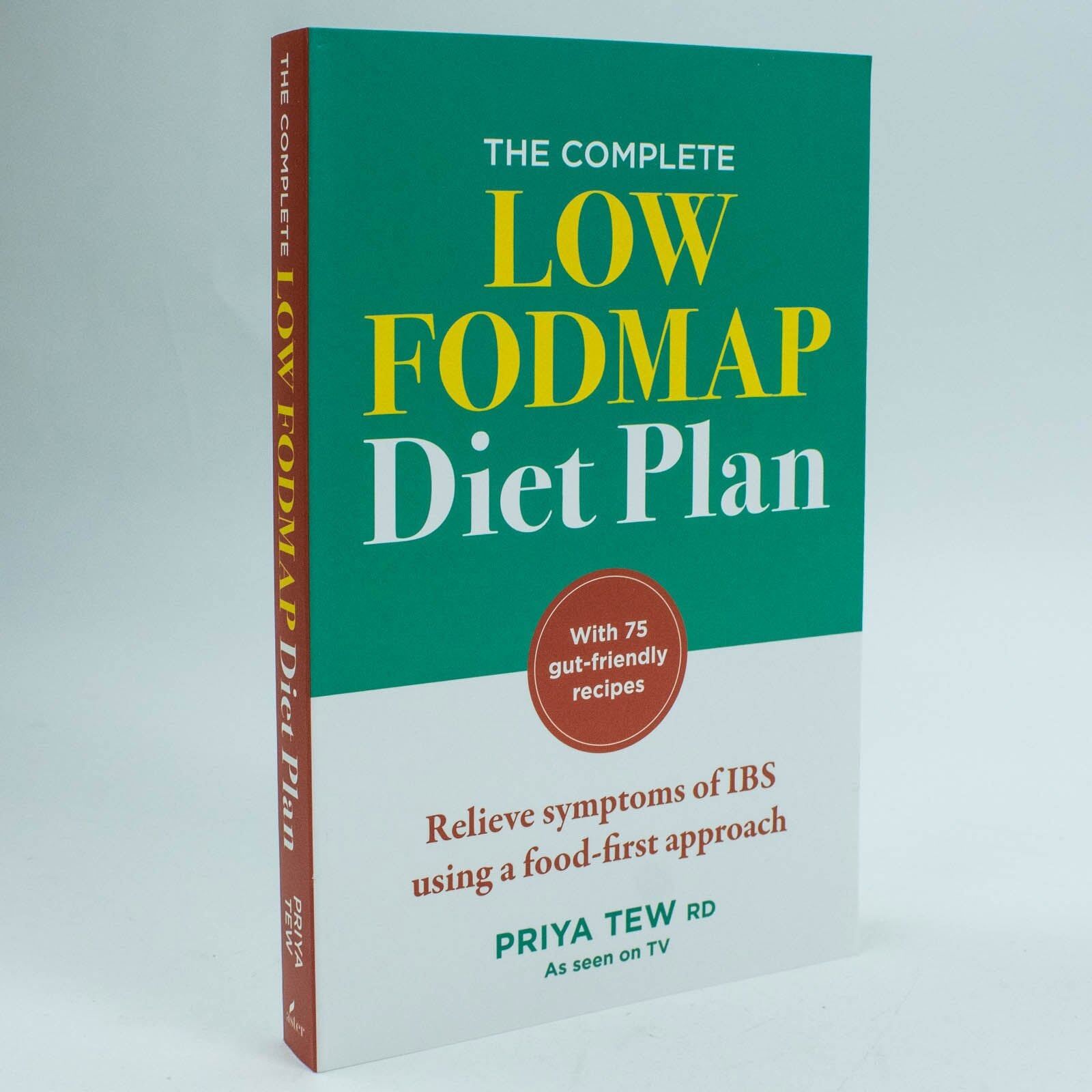
Aster The Complete Low FODMAP Diet Plan: Relieve symptoms of IBS using a food-first approachTake control of IBS with this ground-breaking diet planThe low-FODMAP diet is a medically proven approach to managing and relieving symptoms of irritable bowel syndrome (IBS).FODMAPs are fermentable carbohydrates that are difficult to digest and known to cause unpleasant gastrointestinal symptoms, such as bloating, excessive gas and stomach pain.Full of essential information, this easy-to-follow beginner's guide will help you understand and apply the diet with the support of your dietitian, and shows you how, by making simple changes to what you eat, you can alleviate symptoms of IBS and live life to the full again. Includes:A comprehensive table of foods to avoidA detailed explanation of the three-stage process of restriction, reintroduction and personalisation75 delicious gut-friendly recipes7,99 £*Shipping: 2,99 £Secure redirect to the provider
-
Non-competitive inhibition, right?
Non-competitive inhibition is a type of enzyme inhibition where the inhibitor binds to a site on the enzyme that is not the active site. This binding causes a conformational change in the enzyme, making it less effective at catalyzing the reaction. Non-competitive inhibitors do not compete with the substrate for binding to the enzyme. Instead, they can bind to the enzyme-substrate complex or to a separate allosteric site on the enzyme. **
-
What is allosteric inhibition?
Allosteric inhibition is a type of enzyme regulation where a molecule binds to a site on the enzyme that is different from the active site, causing a conformational change in the enzyme's structure. This change reduces the enzyme's activity and ability to bind to its substrate, ultimately inhibiting its function. Allosteric inhibition is a reversible process and can be used to regulate enzyme activity in response to changing cellular conditions. **
-
What is the difference between allosteric inhibition and competitive inhibition in biology?
Allosteric inhibition occurs when a molecule binds to an allosteric site on an enzyme, causing a conformational change that reduces the enzyme's activity. This type of inhibition is non-competitive and can affect multiple enzymes in a metabolic pathway. On the other hand, competitive inhibition occurs when a molecule competes with the substrate for the active site of the enzyme, effectively blocking the substrate from binding and reducing the enzyme's activity. Competitive inhibition can be overcome by increasing the concentration of the substrate, while allosteric inhibition cannot be overcome in the same way. **
-
What is the difference between non-competitive inhibition and allosteric inhibition in biochemistry?
Non-competitive inhibition occurs when an inhibitor binds to an enzyme at a site other than the active site, causing a conformational change in the enzyme that reduces its activity. This type of inhibition does not compete with the substrate for binding to the active site. On the other hand, allosteric inhibition occurs when an inhibitor binds to an allosteric site on the enzyme, causing a conformational change that reduces the enzyme's activity. Allosteric inhibition can be reversible or irreversible, and it can be overcome by increasing the concentration of the substrate. **
* All prices are inclusive of VAT and, if applicable, plus shipping costs. The offer information is based on the details provided by the respective shop and is updated through automated processes. Real-time updates do not occur, so deviations can occur in individual cases. ** Note: Parts of this content were created by AI.