Buy guertelrose.eu ?
We are moving the project
guertelrose.eu .
Are you interested in purchasing the domain
guertelrose.eu ?
domain@kv-gmbh.de · 0541-91531010
Buy guertelrose.eu ?
What is signal transduction?
Signal transduction is the process by which cells convert extracellular signals into specific cellular responses. It involves a series of molecular events that relay the signal from the cell surface to the nucleus, where gene expression can be altered. This process is crucial for cells to respond appropriately to their environment and maintain homeostasis. Signal transduction pathways often involve the activation of protein kinases, second messengers, and transcription factors. **
Why is sensory transduction necessary?
Sensory transduction is necessary because it allows the body to convert various forms of environmental stimuli, such as light, sound, touch, and chemical signals, into electrical signals that can be interpreted by the nervous system. This process is essential for the body to perceive and respond to its surroundings, allowing for the detection of potential dangers, the regulation of bodily functions, and the experience of sensations such as taste, smell, and touch. Without sensory transduction, the body would not be able to effectively interact with its environment and respond to changes in its surroundings. **


Similar search terms for Transduction
Top-Angebote
Products related to Transduction:
-
Kérastase Specifique Bain Prevention 250ml DoubleFor anyone who previously used Kérastase Bain Stimuliste GL, the Kérastase Specifique Bain Prevention is a reformulation designed to target thinning hair, in a handy double pack!The formula is made with super-active ingredients to help plump and boost each strand. It increases microcirculation activation and bulb nutrition, which results in the micro-circulation being activated. This helps to make hair fuller and thicker.48,80 £*Shipping: 0,00 £Secure redirect to the provider
-
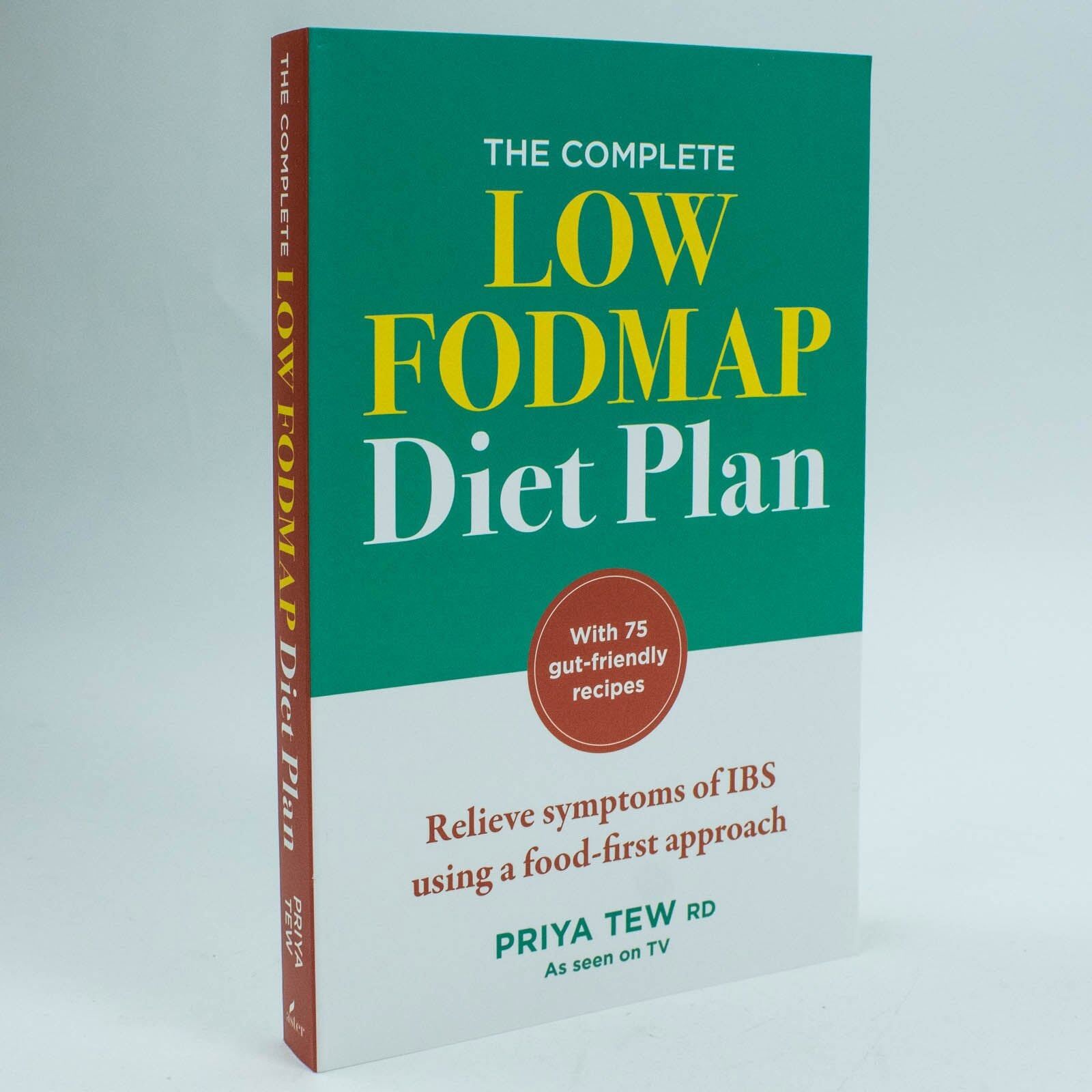
Aster The Complete Low FODMAP Diet Plan: Relieve symptoms of IBS using a food-first approachTake control of IBS with this ground-breaking diet planThe low-FODMAP diet is a medically proven approach to managing and relieving symptoms of irritable bowel syndrome (IBS).FODMAPs are fermentable carbohydrates that are difficult to digest and known to cause unpleasant gastrointestinal symptoms, such as bloating, excessive gas and stomach pain.Full of essential information, this easy-to-follow beginner's guide will help you understand and apply the diet with the support of your dietitian, and shows you how, by making simple changes to what you eat, you can alleviate symptoms of IBS and live life to the full again. Includes:A comprehensive table of foods to avoidA detailed explanation of the three-stage process of restriction, reintroduction and personalisation75 delicious gut-friendly recipes7,99 £*Shipping: 2,99 £Secure redirect to the provider
-
Coochy Rash Rescue After ShaveGet Rid Of That Post-Shave Itch For Good! Works great for guys too! Designed to work with Coochy Shaving Cream, this specialized aftershave keeps your skin looking and feeling fantastic long after you’ve finished shaving! Coochy After Shave...29,99 $*Shipping: 0,00 $Secure redirect to the provider
-
Altissima Energy Lotion Hair Loss Prevention 10x8mLA hair-care product for hair loss or thinning. Revitalize your hair and combat hair loss with Energy Lotion. This specific lotion prevents thinning and stimulates growth by increasing scalp oxygenation. Formulated with lemon extracts, amino acid complex, and methyl nicotinate, it targets the causes of hair loss and strengthens hair follicles for improved anchorage.23,27 £*Shipping: 6,86 £Secure redirect to the provider


-
What is transduction in the eye?
Transduction in the eye refers to the process by which light energy is converted into electrical signals that can be interpreted by the brain. This process occurs in the retina, where specialized cells called photoreceptors (rods and cones) capture light and convert it into electrical signals. These signals are then transmitted to the brain via the optic nerve, where they are processed and interpreted as visual information. **
-
How does the process of signal transduction proceed?
Signal transduction is a process by which a cell converts an extracellular signal into a specific cellular response. It typically involves a series of steps, starting with the binding of a signaling molecule to a receptor on the cell surface. This binding triggers a cascade of events inside the cell, often involving the activation of various proteins and second messengers. Ultimately, this leads to changes in gene expression, cell metabolism, or other cellular functions to produce the desired response to the initial signal. **
-
How can one explain signal transduction and signal transmission?
Signal transduction is the process by which a cell converts an extracellular signal into a specific cellular response. This process typically involves a series of molecular events, including the binding of a signaling molecule to a receptor on the cell surface, activation of intracellular signaling pathways, and ultimately leading to changes in gene expression, metabolism, or other cellular functions. Signal transmission, on the other hand, refers to the propagation of the signal from one cell to another, often through the release of signaling molecules such as hormones or neurotransmitters. Together, signal transduction and signal transmission allow cells to communicate with each other and coordinate their activities in response to external stimuli. **
-
What is the photo transduction in the dark current during illumination?
Photo transduction in the dark current during illumination refers to the process by which light activates photoreceptor cells in the retina. When light hits the photoreceptor cells, it triggers a cascade of biochemical reactions that ultimately lead to the hyperpolarization of the cell membrane. This hyperpolarization reduces the release of neurotransmitters, which in turn sends signals to the brain for visual processing. Overall, photo transduction in the dark current during illumination is a crucial step in converting light stimuli into neural signals for vision. **


What is the photo transduction in the dark current during exposure?
Photo transduction in the dark current during exposure refers to the process by which light-sensitive photoreceptor cells in the retina convert light stimuli into electrical signals. In the dark, photoreceptor cells are depolarized and continuously release neurotransmitters, which keeps the cells in a state of constant activity. When light hits the photoreceptor cells, it triggers a series of biochemical reactions that hyperpolarize the cells, reducing neurotransmitter release and signaling the presence of light to the brain. This process allows for the perception of light and the formation of visual images. **
What is the photo transduction in the dark current upon exposure to light?
In the dark current, photoreceptors are depolarized due to the constant influx of sodium ions. Upon exposure to light, photons are absorbed by the photopigments in the photoreceptor cells, leading to a series of biochemical reactions that ultimately result in the closure of sodium channels. This closure of sodium channels hyperpolarizes the cell, reducing the release of neurotransmitters and signaling the presence of light to the brain. **
Top-Angebote
Products related to Transduction:
-
Ammo Urinary Tract Infection Self-Diagnostic Test 2 un.A skin-care product. It a convenient self-diagnostic test designed to detect four key parameters in urine: blood, nitrites, proteins, and leukocytes. This easy-to-use test allows individuals to confirm a urinary tract infection (UTI) from the comfort of their home, ensuring timely medical consultation for appropriate treatment.7,61 £*Shipping: 4,07 £Secure redirect to the provider
-
Barral Íntima Prevention 200mLA skin-care product. Intimate Prevention is suitable for daily intimate hygiene, ideal in cases of recurrent infections. Its formula has a pH 4.5 and lactic acid, respecting the physiological balance of the woman. It contains prebiotics that help strengthen natural defenses, neutralizing the causes of possible discomfort, infections and unpleasant odor.8,54 £*Shipping: 6,86 £Secure redirect to the provider
-
Kérastase Specifique Bain Prevention 250ml DoubleFor anyone who previously used Kérastase Bain Stimuliste GL, the Kérastase Specifique Bain Prevention is a reformulation designed to target thinning hair, in a handy double pack!The formula is made with super-active ingredients to help plump and boost each strand. It increases microcirculation activation and bulb nutrition, which results in the micro-circulation being activated. This helps to make hair fuller and thicker.48,80 £*Shipping: 0,00 £Secure redirect to the provider
-
Aster The Complete Low FODMAP Diet Plan: Relieve symptoms of IBS using a food-first approachTake control of IBS with this ground-breaking diet planThe low-FODMAP diet is a medically proven approach to managing and relieving symptoms of irritable bowel syndrome (IBS).FODMAPs are fermentable carbohydrates that are difficult to digest and known to cause unpleasant gastrointestinal symptoms, such as bloating, excessive gas and stomach pain.Full of essential information, this easy-to-follow beginner's guide will help you understand and apply the diet with the support of your dietitian, and shows you how, by making simple changes to what you eat, you can alleviate symptoms of IBS and live life to the full again. Includes:A comprehensive table of foods to avoidA detailed explanation of the three-stage process of restriction, reintroduction and personalisation75 delicious gut-friendly recipes7,99 £*Shipping: 2,99 £Secure redirect to the provider
-
What is signal transduction?
Signal transduction is the process by which cells convert extracellular signals into specific cellular responses. It involves a series of molecular events that relay the signal from the cell surface to the nucleus, where gene expression can be altered. This process is crucial for cells to respond appropriately to their environment and maintain homeostasis. Signal transduction pathways often involve the activation of protein kinases, second messengers, and transcription factors. **
-
Why is sensory transduction necessary?
Sensory transduction is necessary because it allows the body to convert various forms of environmental stimuli, such as light, sound, touch, and chemical signals, into electrical signals that can be interpreted by the nervous system. This process is essential for the body to perceive and respond to its surroundings, allowing for the detection of potential dangers, the regulation of bodily functions, and the experience of sensations such as taste, smell, and touch. Without sensory transduction, the body would not be able to effectively interact with its environment and respond to changes in its surroundings. **
-
What is transduction in the eye?
Transduction in the eye refers to the process by which light energy is converted into electrical signals that can be interpreted by the brain. This process occurs in the retina, where specialized cells called photoreceptors (rods and cones) capture light and convert it into electrical signals. These signals are then transmitted to the brain via the optic nerve, where they are processed and interpreted as visual information. **
-
How does the process of signal transduction proceed?
Signal transduction is a process by which a cell converts an extracellular signal into a specific cellular response. It typically involves a series of steps, starting with the binding of a signaling molecule to a receptor on the cell surface. This binding triggers a cascade of events inside the cell, often involving the activation of various proteins and second messengers. Ultimately, this leads to changes in gene expression, cell metabolism, or other cellular functions to produce the desired response to the initial signal. **
Similar search terms for Transduction
-
Coochy Rash Rescue After ShaveGet Rid Of That Post-Shave Itch For Good! Works great for guys too! Designed to work with Coochy Shaving Cream, this specialized aftershave keeps your skin looking and feeling fantastic long after you’ve finished shaving! Coochy After Shave...29,99 $*Shipping: 0,00 $Secure redirect to the provider
-
Altissima Energy Lotion Hair Loss Prevention 10x8mLA hair-care product for hair loss or thinning. Revitalize your hair and combat hair loss with Energy Lotion. This specific lotion prevents thinning and stimulates growth by increasing scalp oxygenation. Formulated with lemon extracts, amino acid complex, and methyl nicotinate, it targets the causes of hair loss and strengthens hair follicles for improved anchorage.23,27 £*Shipping: 6,86 £Secure redirect to the provider
-
Uplift Essentials 2 Pack Precision Window Safety Limiter & Fall Prevention Lock 2 Pack Precision Window Safety Limiter & Fall Prevention LockEnsure the absolute safety of your feline friends with the Precision Window Security Limiter, a professionalgrade solution for highrise and multistory homes. This AntiFall Protection Shield acts as a FixedOpening Barrier, allowing for essential...42,97 $*Shipping: 0,00 $Secure redirect to the provider
-
Barral Body Glow+ Stretch Mark Prevention Oil 200mLA skin-care product. Body Glow+ is a specially formulated oil designed to help maintain skin elasticity and prevent the formation of stretch marks. With a smooth texture and easy absorption, it provides deep hydration and comfort, keeping the skin flexible and nourished. Ideal for use during periods of body changes, such as pregnancy or weight loss.18,61 £*Shipping: 6,86 £Secure redirect to the provider
-
How can one explain signal transduction and signal transmission?
Signal transduction is the process by which a cell converts an extracellular signal into a specific cellular response. This process typically involves a series of molecular events, including the binding of a signaling molecule to a receptor on the cell surface, activation of intracellular signaling pathways, and ultimately leading to changes in gene expression, metabolism, or other cellular functions. Signal transmission, on the other hand, refers to the propagation of the signal from one cell to another, often through the release of signaling molecules such as hormones or neurotransmitters. Together, signal transduction and signal transmission allow cells to communicate with each other and coordinate their activities in response to external stimuli. **
-
What is the photo transduction in the dark current during illumination?
Photo transduction in the dark current during illumination refers to the process by which light activates photoreceptor cells in the retina. When light hits the photoreceptor cells, it triggers a cascade of biochemical reactions that ultimately lead to the hyperpolarization of the cell membrane. This hyperpolarization reduces the release of neurotransmitters, which in turn sends signals to the brain for visual processing. Overall, photo transduction in the dark current during illumination is a crucial step in converting light stimuli into neural signals for vision. **
-
What is the photo transduction in the dark current during exposure?
Photo transduction in the dark current during exposure refers to the process by which light-sensitive photoreceptor cells in the retina convert light stimuli into electrical signals. In the dark, photoreceptor cells are depolarized and continuously release neurotransmitters, which keeps the cells in a state of constant activity. When light hits the photoreceptor cells, it triggers a series of biochemical reactions that hyperpolarize the cells, reducing neurotransmitter release and signaling the presence of light to the brain. This process allows for the perception of light and the formation of visual images. **
-
What is the photo transduction in the dark current upon exposure to light?
In the dark current, photoreceptors are depolarized due to the constant influx of sodium ions. Upon exposure to light, photons are absorbed by the photopigments in the photoreceptor cells, leading to a series of biochemical reactions that ultimately result in the closure of sodium channels. This closure of sodium channels hyperpolarizes the cell, reducing the release of neurotransmitters and signaling the presence of light to the brain. **
* All prices are inclusive of VAT and, if applicable, plus shipping costs. The offer information is based on the details provided by the respective shop and is updated through automated processes. Real-time updates do not occur, so deviations can occur in individual cases. ** Note: Parts of this content were created by AI.